Presence Detection Sensor: The Ultimate Guide to Technology, Applications, and Future Innovations
This guide defines presence detection sensors, compares four mainstream sensing technologies, analyzes their core advantages over traditional motion detectors, covers cross-industry use cases, key selection criteria, and forecasts future AI & fusion sensing innovation trends.
What Is a Presence Detection Sensor? Core Definition and Fundamental Working Principles
A presence detection sensor is a cutting-edge smart sensing device designed to accurately identify, monitor, and confirm the presence of human beings within a defined physical space, distinguishing itself fundamentally from traditional motion-sensing equipment. Unlike conventional motion sensors that only trigger responses to obvious physical movement, a professional presence detection sensor can capture subtle human biological signals and micro-movements, including chest breathing fluctuations, slight limb tremors, and static human presence when a person is sitting, lying down, or remaining completely stationary. This core capability makes the presence detection sensor an indispensable core component of modern smart environments, intelligent building systems, automated industrial equipment, and privacy-compliant monitoring solutions. The core mission of every presence detection sensor is to eliminate detection blind spots, reduce false trigger rates, and provide real-time, reliable human presence data for intelligent system decision-making, laying a solid foundation for energy saving, safety monitoring, and intelligent space management.
To fully understand the value of a presence detection sensor, it is essential to clarify its core working logic, which differs drastically from outdated sensing technologies. A traditional infrared motion sensor relies on the detection of thermal radiation changes caused by human movement, which means it cannot identify static human presence and often fails to work when users remain still for a short time. In contrast, a high-performance presence detection sensor adopts multi-dimensional sensing technologies, including millimeter-wave radar, microwave induction, passive infrared fusion, and biological signal perception, to continuously scan the monitoring area and collect real-time spatial data. The internal algorithm chip of the presence detection sensor filters environmental interference signals such as temperature changes, light fluctuations, dust, smoke, and non-human object movement, accurately locks human biological characteristics, and outputs stable presence judgment results. Whether in bright sunlight, dark night, dusty industrial workshops, or fully enclosed indoor spaces, the presence detection sensor can maintain stable and accurate detection performance, which is the key reason why it has gradually replaced traditional motion sensors in high-precision intelligent scenarios.
Another core advantage of the presence detection sensor lies in its privacy protection mechanism, which has become a critical competitive advantage in commercial and civil scenarios with strict privacy regulations. Unlike video monitoring equipment that collects visual image data, the presence detection sensor only captures abstract spatial signal data, point cloud information, and biological characteristic parameters, without recording, storing, or transmitting any personal image, facial feature, or identity information. This non-visual detection mode enables the presence detection sensor to fully comply with global privacy protection regulations such as GDPR and local data security laws, making it widely applicable in sensitive scenarios including office buildings, residential homes, hotel rooms, and medical wards. While realizing accurate human presence monitoring, the presence detection sensor completely avoids the privacy leakage risks brought by traditional video monitoring, achieving a perfect balance between intelligent monitoring and personal privacy protection.
Core Classification of Presence Detection Sensor: Main Types and Technical Characteristics
The presence detection sensor market has formed a diversified product system with the continuous iteration of sensing technology. According to different core sensing principles, hardware structures, and application scenarios, mainstream presence detection sensor products can be divided into four major categories: millimeter-wave radar presence detection sensor, microwave presence detection sensor, passive infrared fusion presence detection sensor, and multi-sensor integrated presence detection sensor. Each type of presence detection sensor has unique technical advantages, performance limitations, and applicable scenarios, and a detailed understanding of the classification characteristics of the presence detection sensor is the premise for selecting the most suitable equipment for different intelligent projects.
Comparison of the Four Presence Detection Sensor Types
| Type | Frequency / Principle | Detection Range | Static Detection | Cost | Best For |
|---|---|---|---|---|---|
| Millimeter-wave radar | 24–64GHz mmWave | 4–6m micro-motion | ✅ Breathing & heartbeat | High | Hotels, offices, high-end commercial |
| Microwave | Low-frequency microwave | Wide range, penetrates walls | ⚠️ Weak (active movement only) | Low | Warehouses, factories, basic lighting |
| PIR fusion | Passive infrared + temp compensation | Thermal radiation zone | ❌ None when static | Very low | Corridors, garages, low-budget retrofit |
| Multi-sensor integrated | mmWave + microwave + PIR + environmental | All-scenario, zero blind spot | ✅ Full-state | Highest | Smart buildings, medical, high-end industrial |
1. Millimeter-Wave Radar Presence Detection Sensor
The millimeter-wave radar presence detection sensor is currently the most mainstream and high-performance product in the global presence detection sensor industry, widely recognized as the gold standard for high-precision human presence detection. This type of presence detection sensor works in the 24GHz to 64GHz ISM global universal frequency band, featuring ultra-high spatial resolution and micro-motion capture capability. The core working principle of the millimeter-wave radar presence detection sensor is to emit high-frequency millimeter-wave signals outward, receive echo signals reflected by human bodies and objects in the space, and analyze the frequency shift, phase change, and signal strength of the echo through a high-precision algorithm chip to judge human presence, movement state, and static state.
The biggest technical highlight of the millimeter-wave radar presence detection sensor is its ability to capture ultra-subtle biological movements. A high-quality millimeter-wave radar presence detection sensor can accurately identify the slight chest fluctuation caused by human breathing and heartbeat within a 4-6 meter range, realizing true full-state detection of walking, moving, sitting, and lying static presence. In terms of environmental adaptability, this presence detection sensor is completely unaffected by ambient light, temperature, humidity, dust, smoke, and other environmental factors, and can penetrate non-metallic materials such as acrylic, thin wood boards, and plastic shells, supporting hidden embedded installation without affecting indoor decoration aesthetics.
In addition, the advanced millimeter-wave radar presence detection sensor supports multi-zone customized detection and multi-person simultaneous identification. High-end models can divide the monitoring space into up to 30 independent detection zones, realizing regional precise monitoring and targeted signal output, and can stably identify up to 5 people in the same space at the same time. The main limitations of this presence detection sensor are relatively high manufacturing costs and slight signal interference in extreme high-density metal environments, but its comprehensive performance far exceeds other types of sensing equipment, making it the preferred presence detection sensor for high-end smart homes, intelligent office buildings, and commercial space management.
2. Microwave Presence Detection Sensor
The microwave presence detection sensor is a cost-effective basic type of presence detection sensor, which uses low-frequency microwave signal induction technology to realize human presence monitoring. Different from millimeter-wave radar, the microwave presence detection sensor adopts lower frequency microwave signals, with stronger signal penetration and wider detection range, but relatively lower accuracy in micro-motion detection. The working principle of the microwave presence detection sensor is to continuously emit microwave signals to the surrounding space. When a human body enters the monitoring area and produces any movement, the microwave echo signal changes, and the sensor triggers a presence judgment signal.
The core advantages of the microwave presence detection sensor are low cost, simple structure, ultra-wide detection range, and strong obstacle penetration ability. This presence detection sensor can penetrate walls, wooden doors, and thin partition boards to monitor human movement in adjacent spaces, and is suitable for large-space monitoring scenarios such as warehouses, factory workshops, and open office areas. Compared with millimeter-wave radar products, the microwave presence detection sensor has weaker static detection capability, and it is difficult to capture ultra-subtle breathing fluctuations, so it is more sensitive to human active movement and slightly less accurate for long-term static human presence detection.
In practical applications, the microwave presence detection sensor is often used in low-budget intelligent transformation projects, basic industrial safety monitoring, and simple smart lighting linkage scenarios. With the upgrading of algorithm technology, the new generation of microwave presence detection sensor has optimized static detection algorithms, effectively reducing false negative rates for static human presence, and gradually narrowing the performance gap with high-end millimeter-wave radar presence detection sensor products, maintaining an important market share in the mid-to-low-end sensing market.
3. Passive Infrared (PIR) Fusion Presence Detection Sensor
The passive infrared fusion presence detection sensor is an upgraded product of traditional single infrared motion sensors, which integrates passive infrared sensing technology and auxiliary environmental correction algorithms to realize basic human presence detection. The core working principle of this presence detection sensor is to collect infrared thermal radiation signals emitted by the human body. Since the human body maintains a constant temperature and emits specific wavelength infrared radiation, the presence detection sensor can identify human existence by capturing changes in thermal radiation in the space.
Compared with traditional single PIR sensors, the fused presence detection sensor adds temperature compensation and environmental interference filtering algorithms, which effectively reduces false triggers caused by ambient temperature changes, pet movement, and hot air flow. The advantages of this presence detection sensor are ultra-low power consumption, ultra-low cost, small size, and easy installation and deployment. It is very suitable for battery-powered low-power intelligent devices, small indoor spaces, and temporary monitoring scenarios. However, the inherent technical limitation of the passive infrared fusion presence detection sensor is that it cannot detect completely static human presence. When the human body remains still for a long time and the thermal radiation signal is stable, the presence detection sensor will mistakenly judge no one in the space, resulting in functional failure.
Therefore, the passive infrared fusion presence detection sensor is mostly used in low-demand scenarios such as corridor lighting control, garage access monitoring, and simple home anti-theft linkage, and is often used in combination with other high-precision presence detection sensor equipment in high-precision intelligent systems to form a complementary sensing solution with low power consumption and high accuracy.
4. Multi-Sensor Integrated Presence Detection Sensor
The multi-sensor integrated presence detection sensor is a comprehensive high-end sensing device that integrates millimeter-wave radar, microwave induction, passive infrared, temperature and humidity sensing, and wireless signal detection technologies. This type of presence detection sensor abandons the single technical limitation of traditional equipment, and through the fusion calculation of multiple sensing signals and AI intelligent algorithms, it achieves all-scenario, full-state, and high-stability human presence detection. The core innovation of the integrated presence detection sensor is the multi-dimensional data fusion mechanism: millimeter-wave radar is responsible for capturing subtle static and micro-motion signals, microwave sensing covers large-range moving targets, passive infrared assists in filtering non-human thermal interference, and wireless signal induction supplements offline crowd monitoring, realizing zero-blind-spot presence detection.
The comprehensive performance of the multi-sensor integrated presence detection sensor is the most outstanding among all types of products. It not only has ultra-high static detection accuracy and ultra-wide monitoring range, but also has extremely low false trigger and false negative rates, and can adapt to complex and changeable extreme environments. In addition, this presence detection sensor is equipped with rich intelligent linkage interfaces, supporting Wi-Fi, Bluetooth, Zigbee, and other multi-protocol wireless communication, which can be seamlessly connected with smart home systems, building automation platforms, and industrial IoT management platforms.
The only shortcoming of the multi-sensor integrated presence detection sensor is its high equipment cost and complex debugging and deployment process, so it is mainly used in high-standard intelligent scenarios such as smart office buildings, high-end commercial complexes, intelligent medical institutions, and industrial intelligent monitoring systems. With the popularization of IoT technology and large-scale mass production of sensors, the cost of the integrated presence detection sensor is gradually decreasing, and it is expected to become the mainstream product of the presence detection sensor market in the next few years.
Core Technical Advantages of Modern Presence Detection Sensor Over Traditional Sensing Equipment
The rapid popularization of the presence detection sensor in various intelligent industries is fundamentally due to its comprehensive technical advantages over traditional motion sensors, infrared sensors, and video monitoring equipment. In the era of traditional intelligent sensing, most space automation systems rely on single motion detection equipment, which has long-term pain points such as static detection failure, high false trigger rate, poor environmental adaptability, and serious privacy risks. The modern upgraded presence detection sensor completely solves these industry pain points through technological innovation and algorithm optimization, and its core advantages are reflected in static full-state detection, anti-interference performance, privacy security, intelligent identification capability, and long-term stability, making the presence detection sensor the core upgrade direction of the global intelligent sensing industry.
First of all, the most revolutionary advantage of the presence detection sensor is its true static human presence detection capability, which is the essential difference between the presence detection sensor and traditional motion sensors. Traditional motion sensors can only sense obvious human movement. Once the user sits quietly in the office, lies still in the bedroom, or stays static in a meeting room, the traditional sensor will mistakenly judge that there is no one in the space, and trigger operations such as turning off lights, cutting off power, and closing air conditioners, which seriously affects user experience and intelligent system practicability. In sharp contrast, the high-performance presence detection sensor can capture the tiny biological vibration signals generated by human breathing and heartbeat, accurately confirm human static presence, and maintain continuous system power supply and intelligent linkage services. This full-state detection capability enables the presence detection sensor to realize real "people in, equipment on; people out, equipment off" intelligent control, completely solving the long-standing problem of misoperation of traditional intelligent systems.
Secondly, the presence detection sensor has ultra-strong environmental anti-interference ability and all-weather working performance, which greatly expands the application boundary of intelligent sensing equipment. Traditional infrared sensors are extremely sensitive to ambient light and temperature changes, and are prone to false triggers due to strong light exposure, hot air flow, and seasonal temperature differences, and cannot work normally in dark environments. Traditional microwave sensors are easily interfered by moving objects such as pets and floating dust, resulting in unstable detection data. However, the mainstream presence detection sensor adopts professional environmental interference filtering algorithms and physical signal shielding design, which is completely free from the influence of light, temperature, humidity, dust, smoke, and small animal movement. Whether it is a dark underground garage, a dusty industrial workshop, a high-temperature outdoor open space, or a humid indoor environment, the presence detection sensor can maintain stable and accurate detection results, realizing 24-hour uninterrupted all-weather operation.
Thirdly, the presence detection sensor has inherent privacy security advantages, which is an important reason for its large-scale promotion in civil and commercial scenarios. Traditional video monitoring equipment needs to collect, store and transmit user image data, which has huge privacy leakage risks and is strictly restricted in private spaces such as families, hotels, and office rooms. The presence detection sensor adopts non-visual signal detection technology, and all collected data are abstract spatial point cloud data and biological characteristic parameters, without any personal identifiable information. The internal data processing program of the presence detection sensor only judges the presence or absence of human beings, and will not record user behavior tracks, facial features, and personal privacy information, fully meeting the strict requirements of global privacy protection laws and regulations. For smart home users, enterprise office managers, and public space operators, the presence detection sensor provides a safe and reliable intelligent monitoring solution that balances functional needs and privacy protection.
In addition, the modern presence detection sensor has intelligent multi-target identification and regional precise detection capabilities, which greatly improves the refinement level of intelligent space management. Traditional sensing equipment can only simply judge whether there is someone in the space, without the ability to distinguish the number of people and activity areas, resulting in low-precision linkage of intelligent equipment and serious energy waste. The upgraded presence detection sensor supports multi-person simultaneous identification and customized zoning detection, which can accurately count the number of people in the space, monitor the activity track of personnel, and realize regional differentiated intelligent control. For example, the presence detection sensor can independently control the lighting and air conditioning equipment in different areas of the office building, only turning on the equipment in the manned area and turning off the idle area equipment, realizing refined energy saving and consumption reduction, which cannot be achieved by any traditional sensing equipment.
Finally, the presence detection sensor has ultra-low power consumption, long service life, and high deployment flexibility, reducing the operation and maintenance cost of intelligent systems. Most mainstream presence detection sensor products adopt low-power chip design and intelligent dormancy algorithms. The static power consumption of the equipment is extremely low, and battery-powered products can work continuously for more than 2-3 years without frequent battery replacement. At the same time, the miniaturized design of the presence detection sensor supports various installation methods such as ceiling installation, wall mounting, and embedded hidden installation, which can be perfectly adapted to various space decoration styles without damaging the overall aesthetics of the environment. Compared with traditional large-scale monitoring equipment and high-power sensing devices, the presence detection sensor has lower deployment cost, simpler construction process, and lower later operation and maintenance pressure, which is more suitable for large-scale popularization and application.
Diversified Application Scenarios of Presence Detection Sensor in Modern Intelligent Industries
With the continuous maturity of presence detection sensor technology and the continuous reduction of product costs, the presence detection sensor has penetrated into almost all fields of modern intelligent construction, including smart home life, intelligent building management, commercial space operation, industrial intelligent monitoring, public safety management, and intelligent medical care. The high-precision, high-security, and high-stability characteristics of the presence detection sensor enable it to solve personalized pain points in different industries, realize intelligent automation control, energy-saving and consumption reduction, and safety risk early warning, and become an indispensable basic hardware for the construction of smart cities and intelligent IoT systems.
1. Smart Home Scenarios: Improve Living Comfort and Energy Saving Efficiency
The smart home is the most extensive application scenario of the presence detection sensor, and the popularization of the presence detection sensor has completely upgraded the intelligence level of home living systems. In traditional smart home solutions, motion sensors are widely used for lighting and electrical linkage control, but the problem of accidental shutdown during static residence has always plagued users. The application of the presence detection sensor completely solves this problem, realizing human-centric full-intelligent home control. In the bedroom, living room, study, and other living spaces, the installed presence detection sensor can accurately sense whether the user is staying statically or moving actively. When the user is sitting quietly working, reading, or lying down resting, the presence detection sensor will continuously output a presence signal to keep the lights, air conditioners, humidifiers, and other equipment running normally; when the user leaves the space completely, the presence detection sensor will immediately trigger the intelligent linkage system to turn off idle electrical equipment, avoiding unnecessary energy waste.
In addition to basic electrical linkage, the presence detection sensor also realizes personalized scene customization for smart homes. Through the cooperative work of multiple presence detection sensor devices deployed in different rooms, the smart home system can accurately judge the user's activity area and living state, and automatically switch corresponding intelligent scenes. For example, when the presence detection sensor detects that the user enters the study and keeps static for a long time, the system automatically turns on the study lighting and adjusts the air conditioner to a comfortable temperature; when the presence detection sensor detects that the user enters the bedroom and lies still, the system automatically turns off the living room and study equipment, turns on the night light, and switches to the sleep scene; when all presence detection sensor devices in the house detect no human presence, the system automatically enters the away mode, turns off all household electrical equipment, and starts the anti-theft monitoring system.
The privacy protection advantage of the presence detection sensor is particularly important in home scenarios. Unlike home cameras that have privacy leakage risks, the presence detection sensor only senses human presence without collecting any personal image and behavior data, allowing users to enjoy intelligent life convenience without worrying about privacy security. At present, high-end smart home brands have taken the presence detection sensor as the core standard configuration of new smart home systems, replacing traditional motion sensors in an all-round way, and the market penetration rate of household presence detection sensor is increasing year by year.
2. Intelligent Building & Office Scenarios: Realize Refined Space Management and Green Energy Saving
Intelligent office buildings and commercial buildings are the core application fields of industrial-grade presence detection sensor products, and the large-scale deployment of the presence detection sensor is an important technical means to realize building energy conservation, emission reduction, and refined space management. Modern office buildings have a large number of office spaces, meeting rooms, corridors, and public rest areas, with scattered personnel activity rules and serious idle energy waste. Traditional timing control and manual switching management methods have low efficiency and poor energy-saving effect, while the deployment of a large number of presence detection sensor devices can realize real-time perception and intelligent linkage of building space personnel status.
In office areas, evenly deployed presence detection sensor devices can monitor the manned status of each office area in real time. When employees work statically at their desks, the presence detection sensor maintains the normal operation of regional lighting, air conditioning, and ventilation equipment; when employees leave their posts for meetings or business trips, the presence detection sensor immediately feeds back the idle space signal to the building automation system, and automatically turns off the idle equipment to reduce building energy consumption. In meeting room scenarios, the presence detection sensor can accurately judge the start and end of meetings: when personnel enter the meeting room and stay, the system automatically turns on meeting equipment; when all personnel leave, the presence detection sensor triggers the equipment shutdown program to avoid long-term idle operation of meeting room electrical equipment.
In addition, the presence detection sensor can assist building managers in realizing intelligent space utilization analysis. By collecting real-time monitoring data of all presence detection sensor devices in the building, the background management platform can statistically analyze the occupancy rate, peak activity period, and idle duration of each functional area of the building, providing data support for office space optimization, functional area adjustment, and personnel scheduling. For example, through the long-term data statistics of the presence detection sensor, managers can find long-term idle office areas and meeting rooms, and carry out space reconstruction and resource optimization allocation to improve the utilization rate of building space. At the same time, the presence detection sensor can also be linked with the building fire safety system. In case of fire and other emergencies, the presence detection sensor can quickly feed back the personnel distribution in the building, helping rescue personnel quickly determine the trapped area and improve rescue efficiency.
3. Commercial Retail Scenarios: Optimize Customer Experience and Precise Operation
In shopping malls, supermarkets, brand stores, and other commercial retail scenarios, the presence detection sensor plays an important role in customer flow monitoring, passenger behavior analysis, and intelligent equipment linkage. Traditional commercial customer flow monitoring mostly uses infrared counters and video statistics, which have the problems of low accuracy, serious privacy leakage risks, and inability to identify static passenger retention. The application of the presence detection sensor solves these pain points, realizing high-precision, privacy-compliant commercial space passenger monitoring and intelligent operation.
The presence detection sensor deployed in commercial stores can accurately count the number of incoming customers, monitor customer stay time and activity track, and help merchants analyze store passenger flow rules and hot-selling area distribution. Different from video monitoring, the presence detection sensor only collects crowd presence data without recording customer facial information and behavior details, which fully protects customer privacy and avoids customer resistance. Through the data analysis of the presence detection sensor, merchants can accurately grasp the peak and trough periods of passenger flow, adjust staff scheduling and commodity display strategies in a targeted manner, and improve store operation efficiency.
At the same time, the presence detection sensor can realize intelligent energy-saving control of commercial space equipment. Shopping malls and stores have long business hours and large power consumption of lighting, air conditioning, and advertising display equipment. The presence detection sensor can adjust the operating state of equipment according to the real-time passenger flow: when there are many customers in the mall, the equipment operates at full power to ensure a comfortable shopping environment; when the passenger flow is scarce or the store is idle, the presence detection sensor triggers the energy-saving mode to reduce equipment power consumption. In addition, the presence detection sensor can also be linked with intelligent advertising screens and guidance equipment. When the presence detection sensor detects customer stay in front of the advertising screen, it automatically plays targeted advertising content to improve advertising conversion rate; when no one stays, it switches to low-power standby mode to save energy.
4. Industrial Intelligent Monitoring Scenarios: Ensure Production Safety and Standardized Operation
Industrial production workshops, automated production lines, warehouse storage spaces, and chemical industrial parks have high requirements for safety monitoring and personnel management, and the presence detection sensor has become an important safety monitoring equipment in industrial intelligent scenarios with its high stability, strong anti-interference, and all-weather working characteristics. The industrial production environment is complex, with many interference factors such as mechanical operation vibration, dust floating, temperature and humidity changes, and traditional sensing equipment is prone to detection failure and false alarm, while the industrial-grade presence detection sensor can adapt to harsh industrial environments and maintain long-term stable detection performance.
In automated production line scenarios, the presence detection sensor is mainly used for personnel safety protection. High-speed operating mechanical equipment has certain safety risks. The presence detection sensor deployed around the production line can monitor personnel entry in real time. When workers approach the dangerous operation area by mistake, the presence detection sensor immediately triggers an alarm signal and linkage equipment power-off protection to avoid mechanical injury accidents. When no one is in the dangerous area, the equipment operates normally, ensuring the safety and efficiency of industrial production.
In industrial warehouse and storage scenarios, the presence detection sensor realizes intelligent personnel access management and energy-saving control. Large industrial warehouses have large space and scattered personnel activity ranges. The presence detection sensor can monitor the personnel presence status in the warehouse in real time. When staff enter the warehouse for inventory sorting and handling, the system automatically turns on lighting and ventilation equipment; when all staff leave the warehouse, the presence detection sensor triggers the equipment shutdown and anti-theft alarm system to reduce warehouse energy consumption and ensure storage safety. In addition, the presence detection sensor can also be used for personnel attendance and activity track statistics in the factory area, helping factory managers standardize personnel management and improve production management efficiency.
5. Public Facilities & Intelligent Medical Scenarios
In public facilities such as subway stations, elevator cabins, public toilets, and corridor passages, as well as intelligent medical scenarios such as hospital wards and outpatient halls, the presence detection sensor provides safe, efficient, and privacy-protected intelligent monitoring services. In elevator operation management, the presence detection sensor can accurately sense the number of passengers in the elevator cabin and the presence of stranded personnel. When the elevator fails and stops, the presence detection sensor can quickly detect stranded personnel and trigger an alarm to notify maintenance personnel, avoiding safety accidents caused by long-term stranding. At the same time, the presence detection sensor can also realize energy-saving control of elevator lighting and ventilation, automatically turning off idle equipment when the elevator is unmanned.
In intelligent medical scenarios, the presence detection sensor is widely used in hospital wards, intensive care units, and outpatient rooms. The medical environment has extremely high requirements for privacy protection and monitoring accuracy. The presence detection sensor can monitor the presence of patients and medical staff in the ward in real time without collecting any personal privacy information. It can realize intelligent linkage of ward lighting, nursing call system, and ventilation equipment, providing a comfortable and safe medical environment for patients. In addition, the presence detection sensor can also assist in nursing management, monitoring the stay time of medical staff in the ward and the activity status of patients, providing data support for standardized medical nursing work.
Key Selection Parameters and Deployment Standards of Presence Detection Sensor
To give full play to the performance advantages of the presence detection sensor and avoid functional mismatch and resource waste, it is necessary to select and deploy the presence detection sensor according to the actual scenario demand. Different types of presence detection sensor products have huge differences in detection range, accuracy, power consumption, communication mode, and environmental adaptability. Mastering the core selection parameters and standardized deployment principles of the presence detection sensor is the key to ensuring the stable operation of intelligent sensing systems.
Key Selection Parameters at a Glance
- Detection range & coverage — match sensor coverage to space size (household 10–20 m², office 30–40 m², industrial wide-area); avoid under-coverage or over-configuration.
- Static detection accuracy — high-end mmWave captures breathing-level micro-motion at 4–6m with zero false negatives; low-end models only catch large movements.
- Communication protocol — confirm Wi-Fi, Bluetooth, Zigbee, or MQTT matches your existing IoT platform to avoid integration failure.
- Power mode — plug-in AC for fixed indoor spaces; battery low-power (2+ year battery life) for retrofit or no-wiring scenarios.
- Deployment standards — indoor ceiling mount 2.5–3m or wall mount 1.8–2.2m for full coverage; avoid metal obstruction; plan density to eliminate blind zones without redundant overlap.
First, the detection range and coverage area are the primary selection indicators of the presence detection sensor. Different application spaces have different area sizes and spatial heights, and it is necessary to match the corresponding presence detection sensor coverage parameters. Household mini presence detection sensor products are suitable for small spaces such as bedrooms and studies, with a coverage area of 10-20 square meters; commercial and office-grade presence detection sensor can cover 30-40 square meters of space, suitable for large office areas and meeting rooms; industrial-grade high-power presence detection sensor has a super-wide coverage range, which can meet the monitoring needs of large workshops and warehouses. In the selection process, it is necessary to avoid insufficient coverage caused by excessive pursuit of low-cost small-range presence detection sensor, and also avoid resource waste caused by excessive configuration of high-power equipment in small spaces.
Second, the static detection accuracy and micro-motion capture capability of the presence detection sensor are core performance indicators that determine the product experience. High-quality presence detection sensor can capture breathing-level subtle biological movements within 4-6 meters, with zero false negative rate for static human presence; medium and low-end presence detection sensor can only capture large-scale movements, with poor static detection effect. For high-demand scenarios such as smart homes and high-end offices, it is necessary to select millimeter-wave radar-based high-precision presence detection sensor; for low-demand industrial auxiliary monitoring and public corridor lighting scenarios, cost-effective microwave or infrared fusion presence detection sensor can be selected.
Third, the communication protocol and intelligent linkage compatibility of the presence detection sensor determine the scalability of the system. Modern intelligent systems require equipment to support multi-protocol wireless communication and seamless connection with IoT platforms. Most mainstream presence detection sensor products support Wi-Fi, Bluetooth, Zigbee, and MQTT protocols, which can be compatible with most smart home platforms and building automation systems. When selecting the presence detection sensor, it is necessary to confirm whether the equipment communication protocol matches the existing intelligent system to avoid compatibility failure and unable to realize intelligent linkage.
Fourth, the power consumption mode and power supply type of the presence detection sensor need to match the deployment environment. The presence detection sensor is divided into plug-in AC power supply and battery-powered low-power models. Plug-in presence detection sensor has stable power supply and continuous working performance, suitable for fixed indoor spaces with power supply conditions; battery-powered presence detection sensor has flexible deployment and no wiring requirements, suitable for temporary monitoring scenarios and spaces without reserved power supply lines. Low-power presence detection sensor can work continuously for more than 2 years with a single battery replacement, with extremely low later maintenance cost.
In terms of deployment standards, the installation height and angle of the presence detection sensor directly affect the detection accuracy. The optimal installation height of the indoor civilian presence detection sensor is 2.5-3 meters (ceiling installation) or 1.8-2.2 meters (wall mounting), which can realize full-space coverage without detection blind spots. The industrial-grade presence detection sensor needs to adjust the installation height according to the space height and avoid blocking by metal obstacles, so as not to affect signal transmission and reception. At the same time, the deployment density of the presence detection sensor should be reasonably planned according to the space area, ensuring no overlapping monitoring dead zones and no excessive repeated coverage, balancing detection accuracy and deployment cost.
Current Market Development Status and Future Innovation Trends of Presence Detection Sensor
Driven by the rapid development of smart cities, IoT technology, and green energy-saving policies, the global presence detection sensor market has maintained rapid growth in recent years, and the presence detection sensor industry has ushered in a period of rapid technological iteration and market expansion. With the continuous upgrading of intelligent demand in various industries, the market demand for high-precision, low-power, multi-functional, and high-privacy presence detection sensor products continues to rise, and the presence detection sensor is gradually replacing traditional motion sensors and becoming the mainstream sensing equipment in the intelligent hardware market.
At present, the global presence detection sensor market presents a pattern of hierarchical development. The high-end market is dominated by millimeter-wave radar integrated presence detection sensor products, which are mainly used in high-end smart homes, intelligent buildings, and industrial high-precision monitoring scenarios, with high product added value and stable profit space; the mid-end market is occupied by single millimeter-wave and microwave presence detection sensor products, covering most commercial and office intelligent transformation scenarios; the low-end market is dominated by passive infrared fusion presence detection sensor, which is widely used in low-demand public facilities and simple intelligent linkage scenarios. With the large-scale mass production of domestic sensor chips and the continuous maturity of independent algorithm technology, the cost of the presence detection sensor continues to decline, and the product penetration rate in civil and commercial markets is rapidly improving.
In terms of technological innovation, the future development trend of the presence detection sensor is mainly reflected in AI intelligent algorithm upgrading, multi-dimensional sensing fusion, ultra-low power consumption optimization, and miniaturization integration. First, the AI intelligent empowerment of the presence detection sensor will be further deepened. The new generation of presence detection sensor will integrate edge computing AI chips, realizing on-site real-time data analysis and intelligent judgment, without relying on cloud platform computing power, improving the response speed and stability of the sensor. The AI algorithm will further optimize the human body and non-human object identification ability of the presence detection sensor, completely eliminating false triggers caused by pets, floating objects, and environmental changes, achieving 100% accurate presence judgment.
Second, the multi-sensor fusion technology of the presence detection sensor will be further upgraded. The future presence detection sensor will integrate more sensing modules such as millimeter-wave radar, microwave induction, infrared thermal sensing, temperature and humidity detection, and air quality monitoring, realizing the integration of human presence detection and environmental parameter monitoring. A single presence detection sensor can complete multiple monitoring functions, greatly reducing the deployment quantity and comprehensive cost of intelligent hardware in the space, and improving the integration level of intelligent systems.
Third, the ultra-low power consumption and long battery life of the presence detection sensor will become the standard configuration of the industry. With the continuous innovation of low-power chip technology and dormant intelligent control algorithms, the power consumption of the new generation presence detection sensor will be further reduced, and the battery life of battery-powered products will be extended to more than 5 years, basically realizing maintenance-free operation in the whole life cycle of the equipment. At the same time, the presence detection sensor will also integrate energy harvesting technology, which can collect tiny energy such as ambient light and vibration to realize self-power supply, completely getting rid of the dependence on batteries and power lines.
Fourth, the miniaturization and hidden integration of the presence detection sensor will be further improved. The future presence detection sensor will develop towards ultra-small size, ultra-thin design, and modular integration, which can be embedded in lamps, air conditioners, ceilings, and furniture in a hidden way, completely realizing the integration of equipment and space decoration, without destroying the overall aesthetic of the intelligent space. At the same time, the customization capability of the presence detection sensor will be further enhanced, and personalized detection range, sensitivity, and linkage logic can be customized according to different scenario needs, meeting the differentiated intelligent needs of various industries.
In terms of market application expansion, the application boundary of the presence detection sensor will continue to expand. In addition to the existing smart home, intelligent building, and industrial scenarios, the presence detection sensor will be widely used in emerging fields such as intelligent vehicle cabins, smart elderly care, smart education, and unmanned retail. In the intelligent vehicle cabin scenario, the presence detection sensor can monitor the presence of passengers and children in the car, realizing anti-forgotten early warning and intelligent cabin environment control; in the smart elderly care scenario, the presence detection sensor can monitor the activity status of the elderly at home, realizing fall early warning and safety monitoring without privacy invasion; in the smart education scenario, the presence detection sensor can realize intelligent energy saving of classroom equipment and real-time monitoring of classroom personnel, helping the intelligent construction of campus.
Conclusion: Presence Detection Sensor Leads the New Era of Intelligent Sensing
As the core basic hardware of modern intelligent sensing technology, the presence detection sensor has completely subverted the working mode of traditional motion sensing equipment with its unique static detection capability, ultra-high detection accuracy, excellent environmental adaptability, and reliable privacy security performance. After years of technological iteration and market verification, the presence detection sensor has become an indispensable key component in smart homes, intelligent buildings, commercial operation, industrial monitoring, and public safety fields, providing solid technical support for the intelligent upgrading, green energy saving, and safe operation of various industries.
The core value of the presence detection sensor lies in realizing human-centric intelligent perception. All technological innovations and application expansions of the presence detection sensor are centered on accurately capturing human presence status, optimizing human living and working environment, reducing energy waste, and ensuring space safety. Different from traditional sensing equipment that can only realize single motion detection, the full-state detection and intelligent linkage capability of the presence detection sensor make the intelligent space truly realize "people-oriented" automatic operation, greatly improving the intelligence level and user experience of the living and working environment.
Looking forward to the future, with the continuous integration of AI technology, IoT technology, and low-power chip technology, the performance of the presence detection sensor will continue to be optimized, the cost will continue to be reduced, and the application scenarios will continue to be enriched. The presence detection sensor will become the universal basic sensing equipment of smart cities, covering all intelligent space scenarios from family life, office work and business to industrial production and public services. The continuous popularization and technological innovation of the presence detection sensor will further promote the high-quality development of the global intelligent industry, lead the new trend of low-carbon, energy-saving, safe and intelligent space operation, and create a more intelligent, comfortable and safe living and working environment for human beings.
Not sure which sensor fits your project?
Talk to our mmWave application engineers for a free consultation.
Related blog posts

Overcoming False Triggers: Cutting-Edge Algorithm Design for Reliable Modern Presence Sensors
Explore core error sources, signal filtering, machine learning pipelines and field calibration algorithms built into today's industrial and residential Presence Sensors to eliminate false triggers and boost detection stability.
How Millimeter Wave Radar Is Transforming Every Industry
This deep dive explores mmWave radar's technical architecture, test benchmarks, real-world deployments and industry shifts reshaping radar presence detection across smart homes, buildings, healthcare and industrial IoT.
mmWave vs. PIR Sensors: Which is Better for Accurate Presence Detector Performance
A technical comparison of mmWave radar and PIR presence detectors covering working principles, empirical accuracy tests (TI data), stationary presence detection, environmental adaptability, error rates, and use-case selection for smart buildings, healthcare, and industrial sensing.
Find the right presence sensor for your hotel project
Compare the 3 protocols, check hotel-specific case studies, and download the installation guide
Related products
3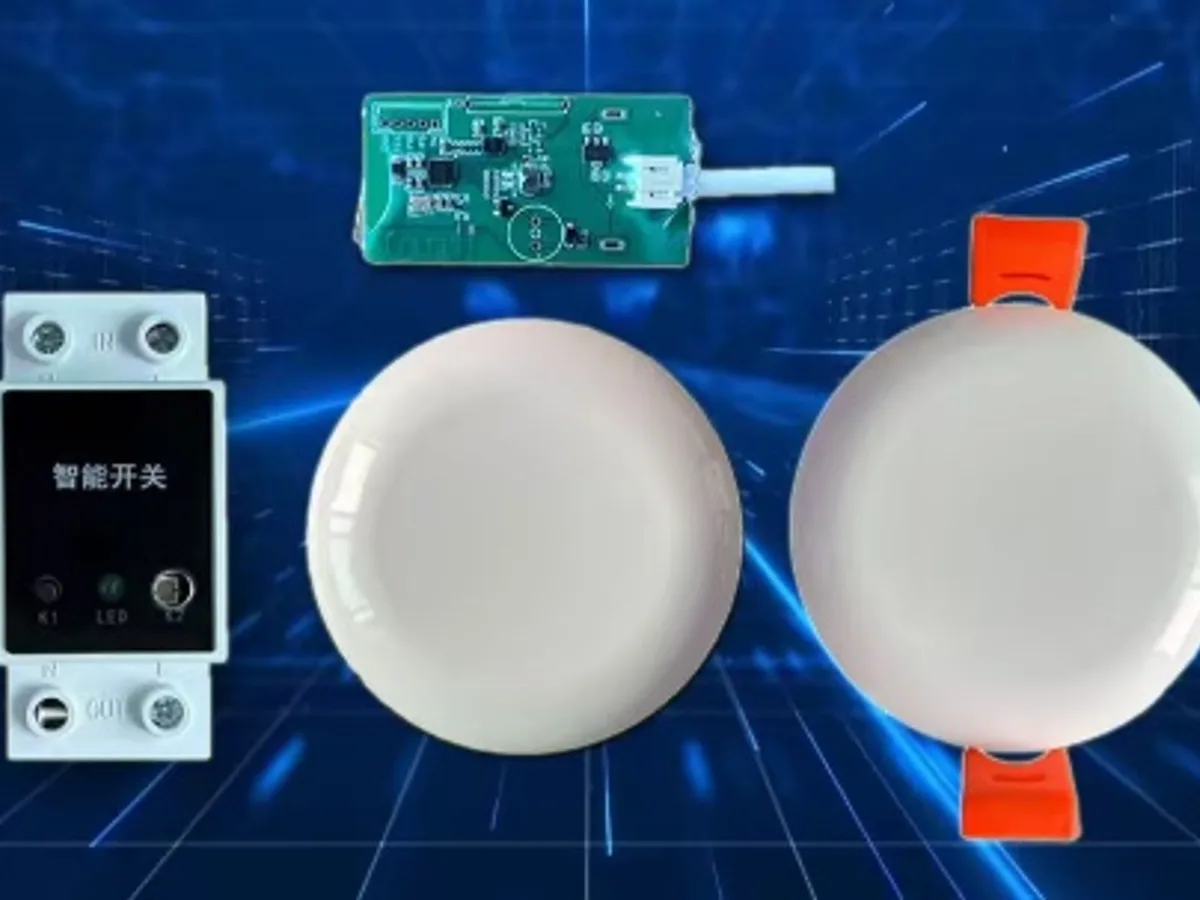
Ceiling Mount mmWave Human Presence Sensor — Matter over Thread
24GHz wideband mmWave ceiling presence sensor with 10m motion, 2.5m micro-motion, and breathing detection. 120° field, DC5V, Matter over Thread. Works natively with Apple Home, Google Home, and Alexa.
This page already points to it as the next recommended reference.
Ceiling Mount mmWave Human Presence Sensor — Zigbee
24GHz wideband mmWave ceiling presence sensor with 10m motion detection, 2.5m micro-motion, and breathing detection. 120° field, DC5V, Zigbee 3.0. For hotel room occupancy and commercial automation.
This page already points to it as the next recommended reference.
Ceiling Mount mmWave Human Presence Sensor — WiFi
24GHz wideband mmWave ceiling presence sensor with 10m motion detection, 2.5m micro-motion, and breathing detection. 120° field, DC5V, WiFi 2.4GHz. No gateway required for retrofit hotel and apartment projects.
This page already points to it as the next recommended reference.
Related solutions
1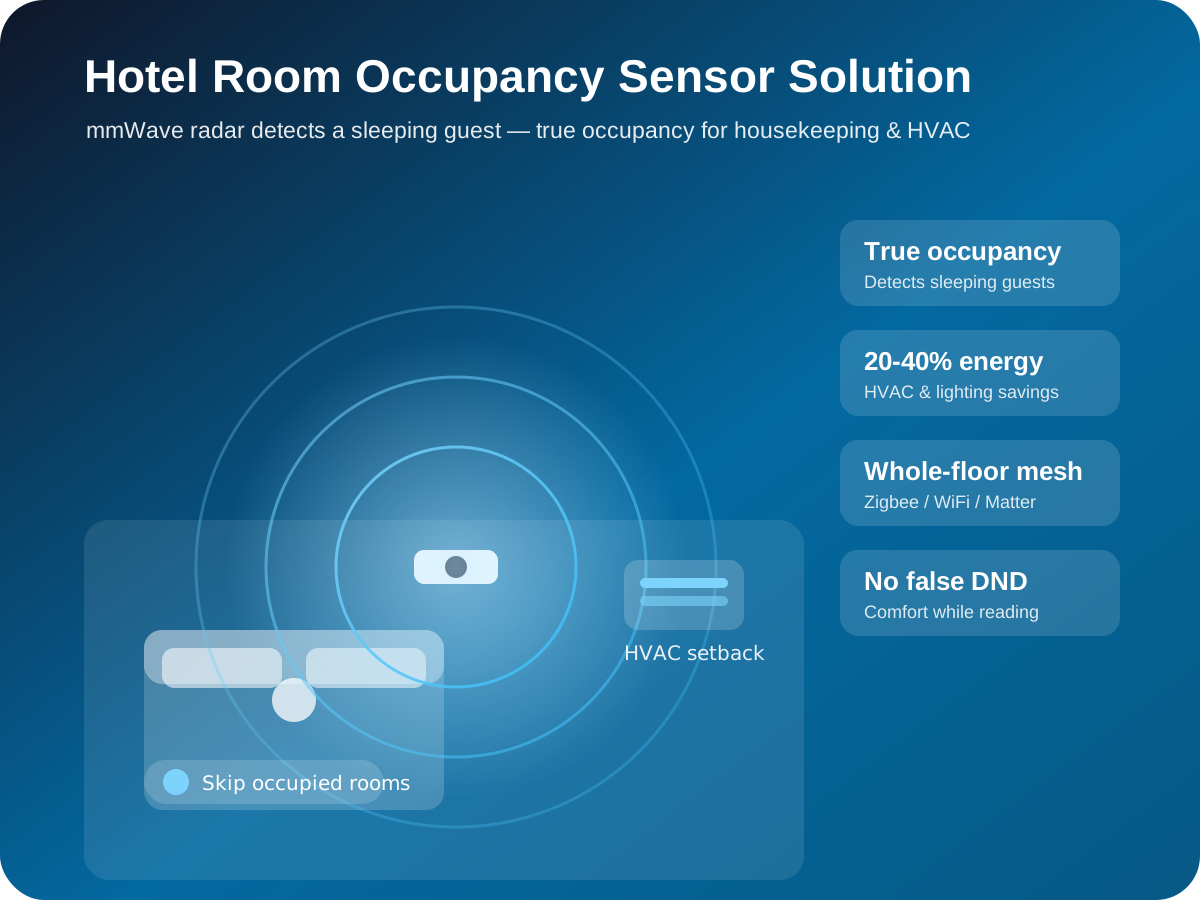
Hotel Room Occupancy & Motion Sensor Solution
mmWave radar presence sensors for hotel room occupancy, housekeeping scheduling, and HVAC energy saving. Detect true occupancy — even when the guest is asleep — with our ceiling-mount hotel room motion sensor.
It supports the same product context: Ceiling Mount mmWave Human Presence Sensor — Zigbee, Ceiling Mount mmWave Human Presence Sensor — WiFi, Ceiling Mount mmWave Human Presence Sensor — Matter over Thread.
Related blog posts
3Best Presence Sensor for Hotel and Commercial Automation in 2026
A practical guide to choosing the best presence sensor for hotel room occupancy, smart office, and building automation. Compare mmWave presence sensors, PIR presence detectors, and Zigbee/WiFi/Matter presence sensors by detection range, breathing sensing, and protocol.
It supports the same product context: Ceiling Mount mmWave Human Presence Sensor — Zigbee, Ceiling Mount mmWave Human Presence Sensor — WiFi, Ceiling Mount mmWave Human Presence Sensor — Matter over Thread.
Sensor mmWave Wholesaler: Bulk Procurement Guide for 2026
A guide to sensor mmWave wholesaler procurement. Covers tiered pricing, MOQ, supplier evaluation, and how to find the right wholesale partner.
It supports the same product context: Ceiling Mount mmWave Human Presence Sensor — Zigbee, Ceiling Mount mmWave Human Presence Sensor — WiFi.
mmWave Radar Sensor Manufacturer: Top Suppliers Compared for 2026
A guide to mmWave radar sensor manufacturers. Covers supplier evaluation, leading vendors, pricing, and selection criteria for OEM production.
It supports the same product context: Ceiling Mount mmWave Human Presence Sensor — Zigbee, Ceiling Mount mmWave Human Presence Sensor — WiFi.
Specify your hotel project with our engineers
Send your room count, ceiling type, and protocol preference. We will return a sample plan and quote within 24 business hours.
- Move from general guidance into a product or application discussion.
- Use RFQ when pricing, drawings, MOQ, or launch timing needs structure.
- Keep a direct contact path visible for fast clarifications and handoff.